Urban Renewal and Redevelopment of Manila's Downtown: A Blueprint for Restoring Glory
Once known as the “Pearl of the Orient,” Manila, the Philippine capital, has a rich history and cultural heritage that dates back centuries. Its old central business district once stood as a vibrant cultural and economic epicenter and holds a wealth of historical significance and potential, waiting to be revitalized to reclaim its former glory.
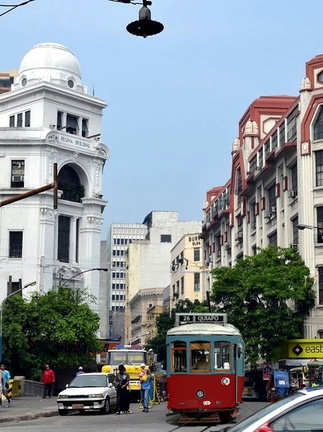
Through strategic urban renewal initiatives, Manila’s central business district stands as a beacon of opportunity – a catalyst to rekindle the city’s charisma and propel it onto the global stage yet again. In this article, we explore the profound significance of this transformative project and unveil a strategic blueprint that could drive its resurgence as a premier destination for the arts, fashion, shopping, dining, entertainment, night life, theatre, and tourism.
This article delves into the significance of this renewal effort and highlights a comprehensive strategy to bring Manila back to the forefront of both local and international attention.
A Glimpse into History: Rediscovering Manila’s Heritage
Manila’s old central business district serves as a living testament to the city’s journey through time. However, the passage of years has brought challenges. With its storied past, Manila has three districts that make up its old central business district, that also bear witness to its rich history and cultural diversity. These districts, Sta. Cruz, Binondo, and Quiapo hold a special place as vibrant, dynamic, and historically significant areas.
Sta. Cruz: Known for its historical and cultural significance, Sta. Cruz has a mix of colonial-era architecture, old churches, and traditional markets. It was historically a commercial hub, but over the years, faced issues such as congestion, traffic, and aging infrastructure. The area still retains some of its traditional markets and cultural attractions, with challenges related to urban decay, inadequate infrastructure, and overcrowding.
Binondo: Renowned as one of the oldest Chinatowns in the world. It is a bustling commercial district known for its vibrant markets, authentic Chinese restaurants, and cultural festivals. Binondo is historically significant due to its role in trade and commerce during the Spanish colonial era. The district continues to attract both local and foreign visitors seeking cultural experiences. Like other urban areas however, Binondo faces challenges such as traffic congestion and aging infrastructure.
Quiapo: A dynamic and diverse district known for Quiapo Church, which draws thousands of devotees during the Feast of the Black Nazarene. The area is also famous for its vibrant street market, where a variety of goods, from religious items to electronics, are sold. While culturally rich and historically important, it has faced urban issues like congestion, informal settlements, and traffic congestion.
The current state of these districts presents a unique opportunity for revitalization and urban renewal. They hold the key to Manila’s past and possess the potential to shape its future. Initiatives that prioritize heritage preservation, infrastructure enhancement, sustainable urban planning are essential to restoring the vitality of these districts. By embracing a thoughtful approach to urban renewal and revitalization, Manila has the opportunity to transform its old downtown area into a vibrant, dynamic, and culturally significant hub.
Start Downtown: Sta Cruz, Binondo, and Quiapo
Manila’s old downtown, once known for its grandeur and historical significance, has faced challenges in recent decades. By breathing new life into this core area, the city can reestablish itself as a center of historical, cultural, and economic importance.
Urban renewal strategies often find success by starting at the heart of a city. Downtown districts of Sta Cruz, Binondo, and Quiapo, can serve as launchpads for transformation. By modernizing infrastructure, enhancing accessibility, and preserving heritage, these districts can attract businesses, investors, and tourists while retaining their cultural character. Preserving their unique character while introducing modern infrastructure, amenities, and improved urban planning can help these neighborhoods flourish once again.
A focus on mixed-use zoning, pedestrian-friendly streets, and green spaces will foster a sense of community and create an inviting atmosphere for locals and tourists.
By first focusing on revitalizing its downtown core, Manila can set the stage for a grand transformation and recapture its vibrancy and essence. The renewal journey should begin with a renewed commitment to preserving heritage and fostering modernity side by side.
Reimagining its public squares, thoroughfares and transforming streets into neat pedestrian-friendly havens, and restoring the splendor of its avenues will resurrect the charm and character of Manila’s downtown.
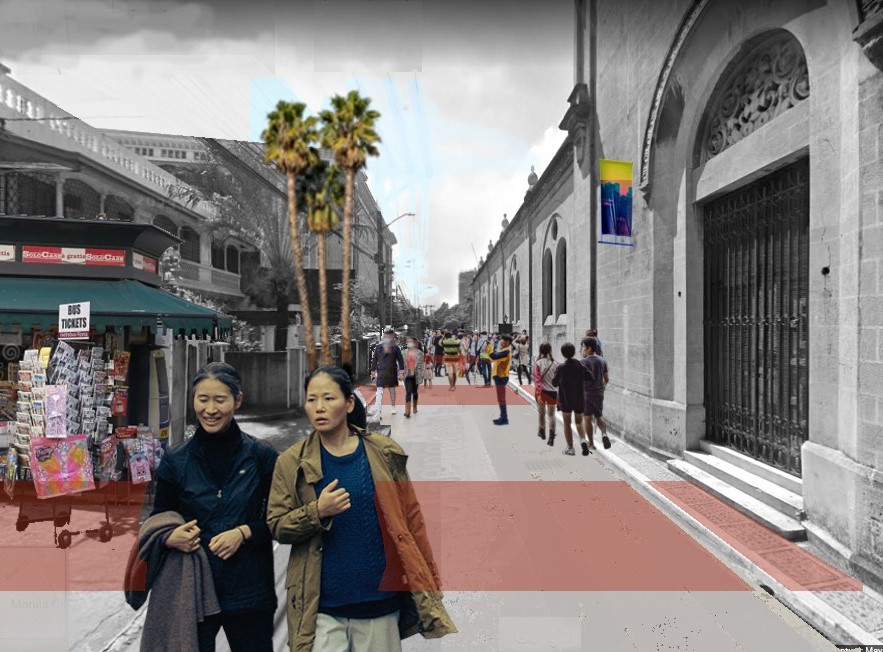
These spaces will once again become epicenters of activity, cultural gatherings, and civic pride.
This ambitious undertaking isn’t just about physical changes; it is a tribute to history, culture, and identity. The result? A renewed core that resonates with both locals and visitors – a magnetic hub where the past and present coalesce to create a vibrant tapestry.
Legacy of Mobility: The Heritage Tram
A city’s history is often interwoven with its transportation systems. Completing the renewal strategy with a touch of nostalgia and innovation, the revival of a heritage tram line beckons – a unique mode of transport that highlights the city’s rich history. This mode of transport will not only link commercial areas but also stand as an iconic, functional tourist attraction and a symbol of Manila’s revitalization.
Bringing back a shortened version of the old tram line can serve as a metaphorical link to the past while enhancing urban mobility and supporting sustainable transportation options. This revival can be a nostalgic journey for those who remember and a novel experience for younger generations, fostering freedom of movement and cultural exploration across key commercial areas downtown, transporting passengers through time while experiencing Manila’s modern dynamism.
As Southeast Asia’s oldest tram line, Manila’s tram system is a nod to the past and a vision for the future. The tram will seamlessly integrate into the urban landscape, offering an immersive journey through history and progress.
The River’s Resurgence
A city is often defined by its relationship with water, and Manila’s riverfront offers an untapped canvas for renewal.
In addition to downtown revitalization, the renewal initiative extends its hand to the Pasig River, historically significant yet often neglected, presents a huge opportunity for transformation and a symbol of Manila’s connection to waterways and history.
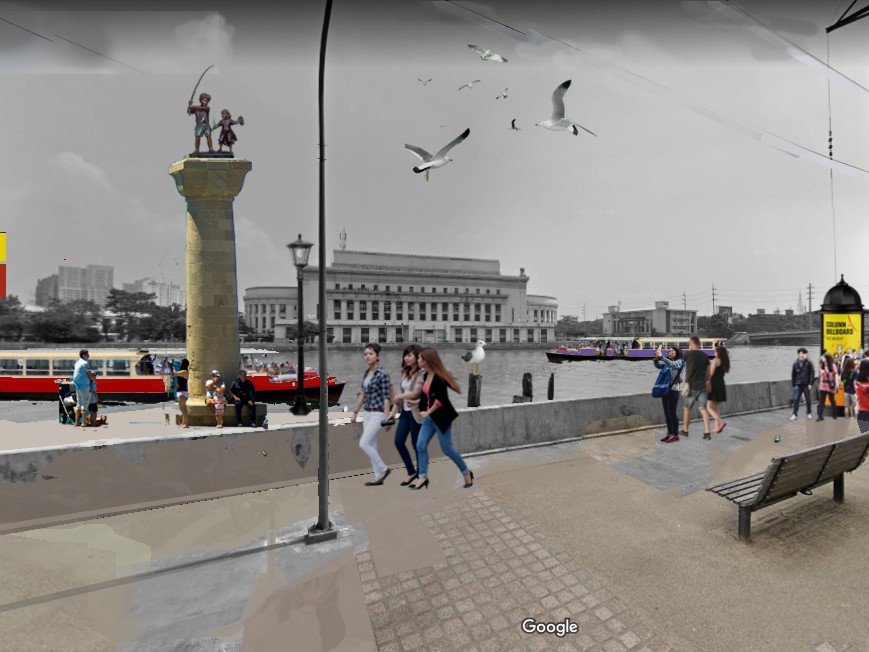
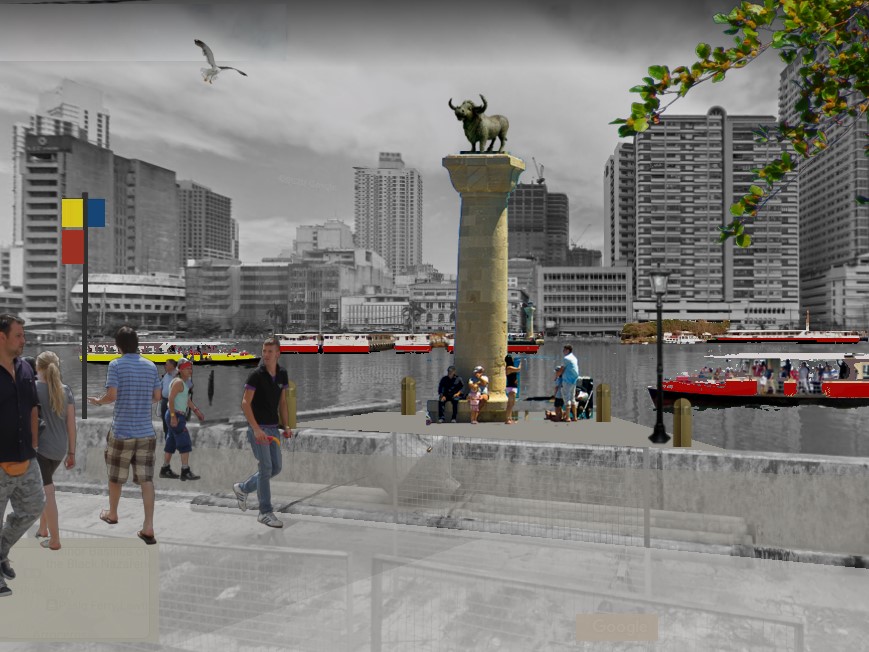
Transforming the riverfront by creating an alluring river walk on the north and south banks will not only offer a panoramic escape but also signify a commitment to sustainability, leisure, and aesthetics. A promenade adorned with cafes, restaurants, and boutiques nestled near river ferry stops, the new river walk can transform this area into a magnet for leisure, recreation and a key transportation hub. Such an initiative will align with global trends of urban waterfront revitalization, offering a serene and scenic space for locals and tourists.
The transformation of the riverfront into a lively and accessible area and key river transit hub will encourage people to reconnect with Manila’s waterways and appreciate the city’s unique geography.
Conclusion
The urban renewal and redevelopment of Manila’s old central business district is not just a series of projects—it is a narrative that threads together the city’s identity, history, and aspirations. This endeavor signifies a commitment to restoring the city’s former glory as a cultural and economic epicenter.
As the strategy unfolds, the transformation of downtown with reimagined public squares and pedestrianized streets, the revitalization of the riverfront with a river walk, and reintroduction of a the heritage tram line will weave a tapestry of experiences—a tapestry that will encapsulate Manila’s journey, celebrate its essence, and beckon travelers from all corners of the world.
The legacy of Manila’s past will find new life, and the energy of its future will resonate in the heart of its renewed core. This journey promises to go beyond a mere restoration—it is a renaissance of Manila’s essence, reigniting its glory and shaping its destiny for generations to come.
It is about restoring a city’s soul. The rich tapestry of history, culture, and commerce that once defined Manila can be woven anew through thoughtful planning, adaptive reuse, and a commitment to sustainable development and crafting a brighter future rooted in the city’s timeless charm.